

The results
A burial chamber?
The book
The story in video
Contact us
Investigations conducted by the Inkarri Institute team in April 2012 at the Temple of the Three Doors revealed underground cavities containing precious metals: gold and silver. The architecture of these cavities, combined with these metal deposits, inevitably brings to mind a burial chamber.
It all began in 2010
In February 2010, David Crespy explored the ruins of the ancient city. In the heart of the city, he noticed a strange “door” at the foot of one of the main buildings, leading to a small passageway that is rarely used by tourists or even archaeologists. He was convinced that it was in fact an entrance sealed by the Incas. He immediately notified the archaeologists and officials at Machu Picchu. When they were taken to the site, they seemed interested and promised David Crespy that they would investigate further. They promised to keep him informed. But months passed and, despite numerous reminders, David Crespy received no further news from Peru about his possible discovery. In August 2011, he stumbled upon an article in the French magazine Le Figaro Magazine about Thierry Jamin's research. He immediately contacted him.
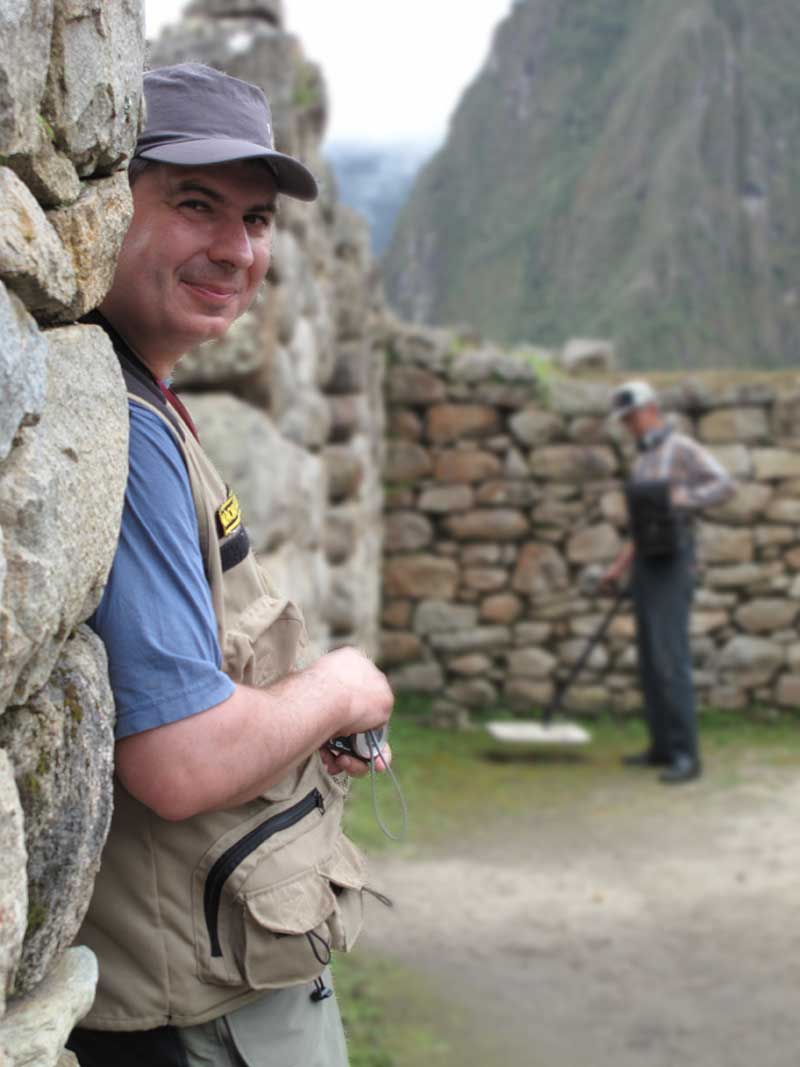
French engineer David Crespy, the man behind this incredible story.
Le Figaro Magazine
August 20, 2011
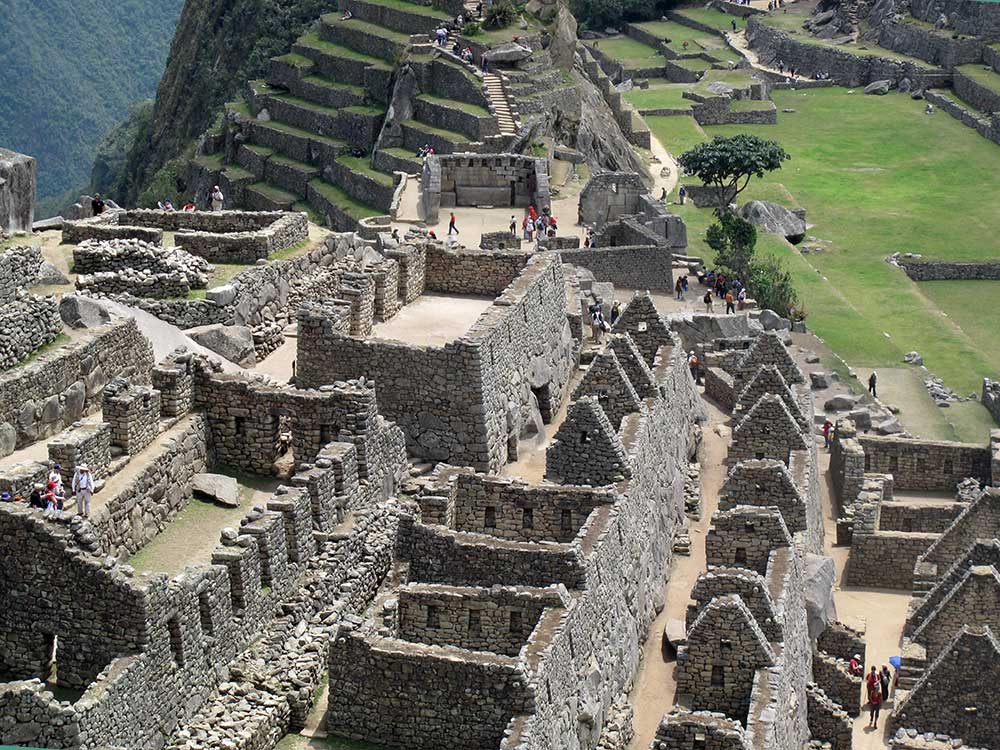
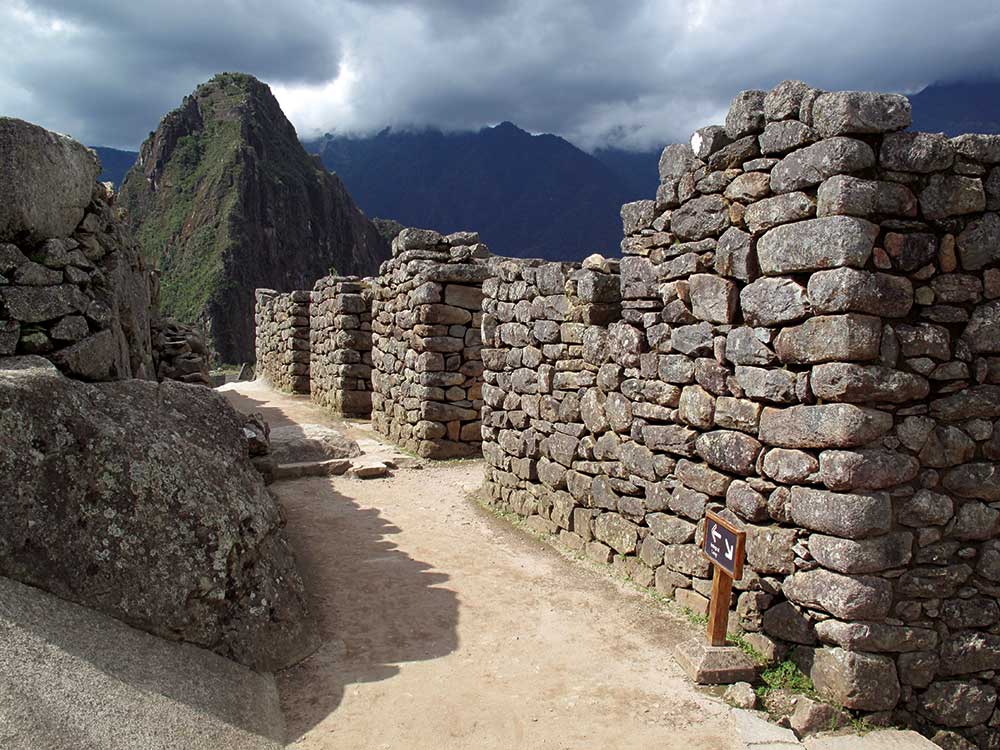
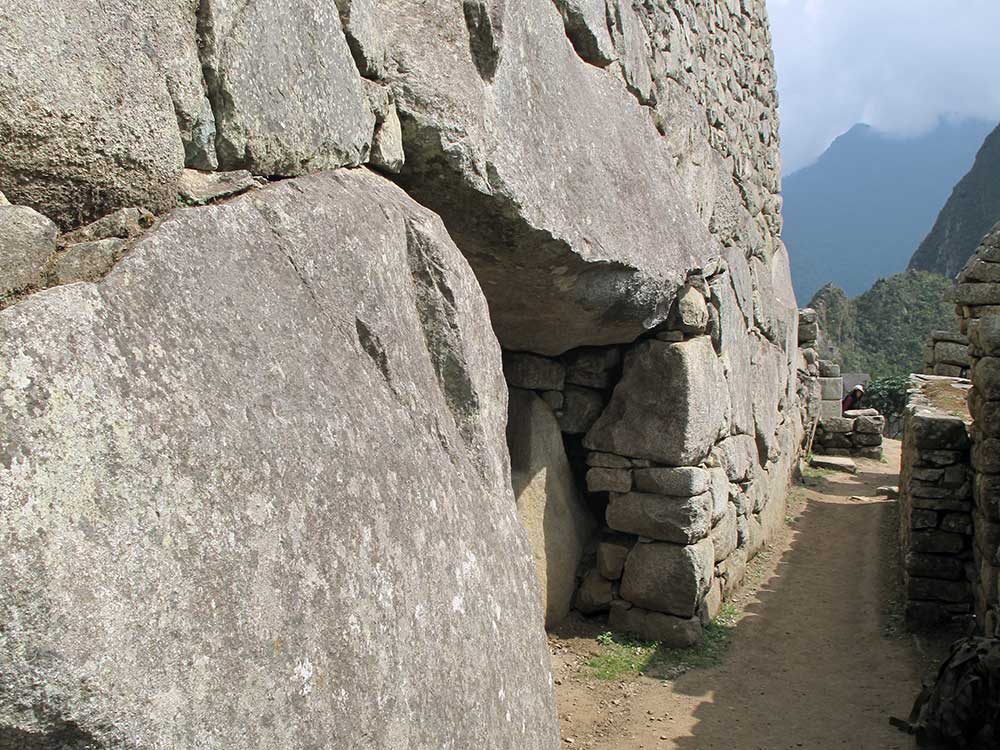
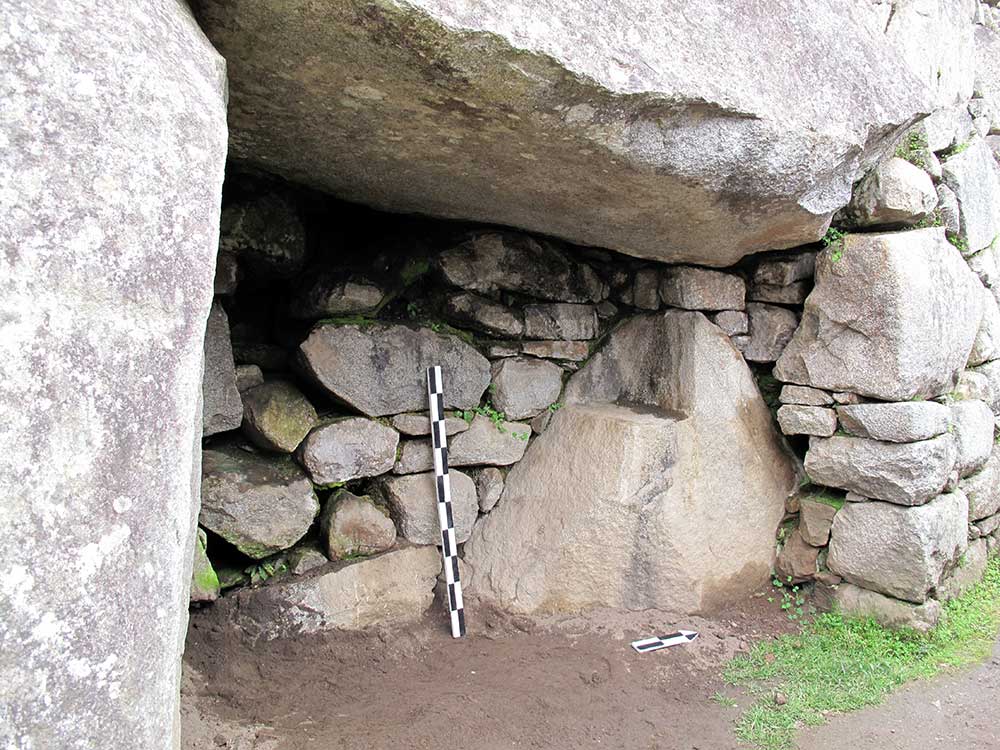
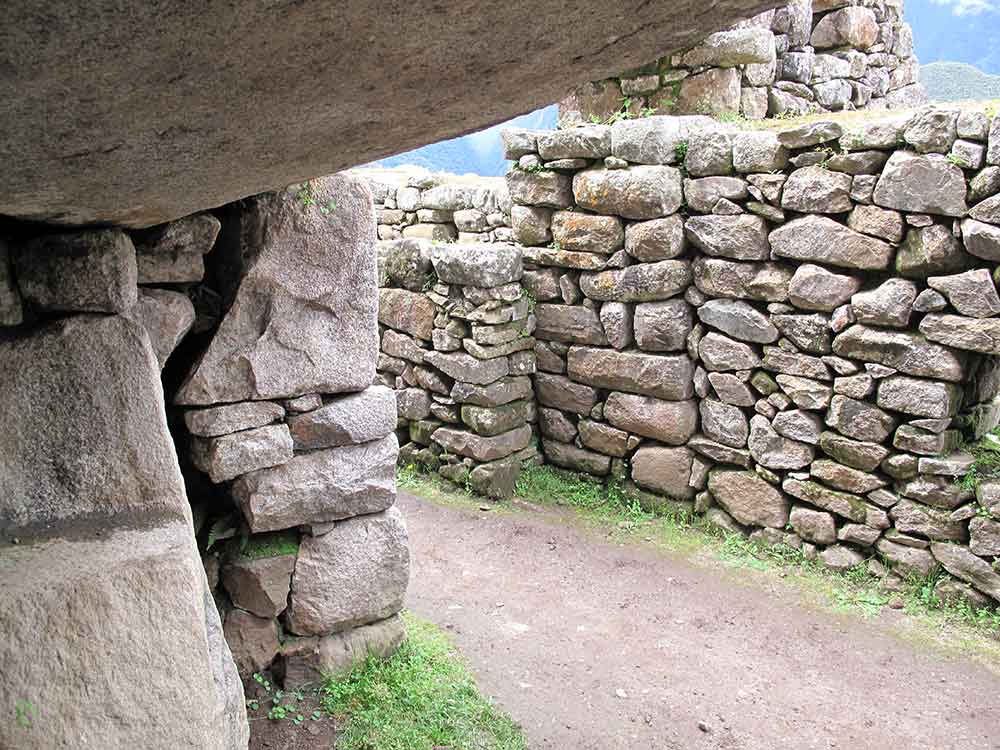
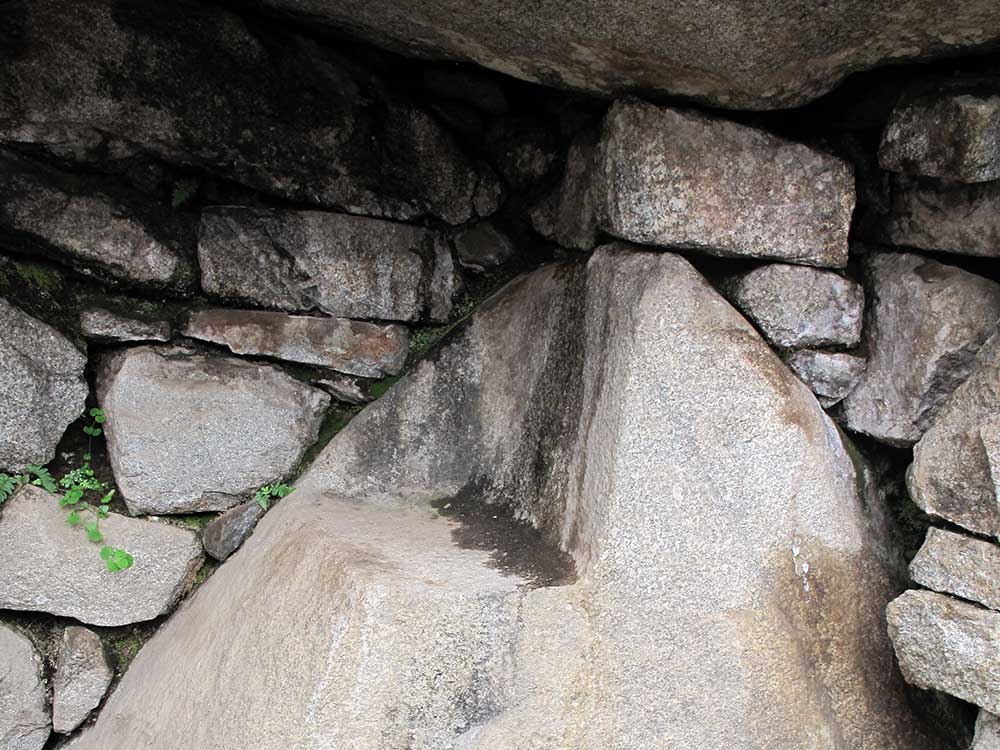
A hidden door?
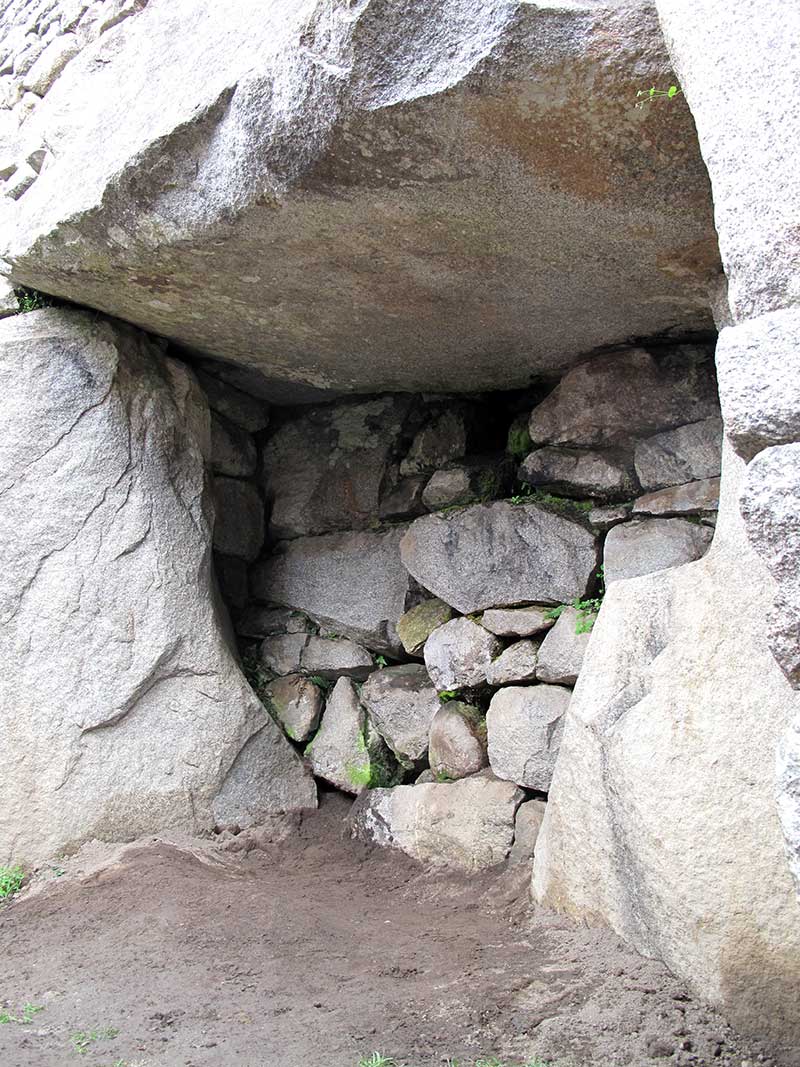
The famous entrance discovered by David Crespy in 2010. What secrets does it hold?
The general context of this “door,” located in the center of one of the city's main buildings, the Temple of the Three Gates, which dominates the entire urban area, leads Thierry Jamin to believe that it is undoubtedly a burial site of prime importance. Thanks to David Crespy, the French researcher believes he has located the entrance to an important burial site (perhaps royal) in the very heart of the city. The Master Plan of Machu Picchu (a reference document produced by the Peruvian authorities for the management of the Inca citadel) considers the building to be a Kallanka (sic), or inn from the Inca period. However, this does not seem to correspond to the general layout of the site, located a stone's throw from the main entrance to the Inca city, directly above the “torreón”—a miniature reproduction of the Qoricancha, the Great Temple of the Sun in Cusco—the supposed “Royal Tomb” (as defined by Bingham himself) and on the path to the religious sector.
Tradition and certain old chronicles, such as that of Juan de Betanzos, report that Machu Picchu belonged to the panaka (lineage) of Emperor Pachacútec, the Inca who transformed the small Andean state into the most powerful empire on the American continent. Tradition also claims that he was buried in the city of Patallacta... the original name of Machu Picchu. It is quite possible that this burial chamber is related to this 15th-century ruler. This would be a major event in the history of Peru and pre-Columbian America. To date, no mummies of Inca emperors have been found. This would be a historic first!
On December 15, 2011, Thierry Jamin and the team from the Inkarri Institute submitted an archaeological research project aimed at verifying the presence of possible cavities beneath the Temple of the Three Doors.
On March 22, 2012, through its Directorial Resolution No. 144 – 2012 – DGPC – VMPCIC / MC, the Peruvian Ministry of Culture gave Thierry Jamin's team the green light to carry out a series of electromagnetic resonance tests to confirm, or not, the presence of a burial chamber in the basement of Building No. 02, Sector 02, Sub-Sector E, Unit 03, of the lost city.
Resonance Project
December 15, 2011
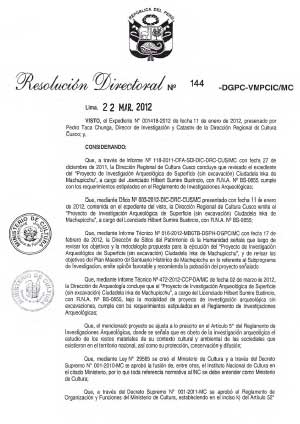
Project approval
March 22, 2012
A burial chamber beneath the Temple of the Three Doors?
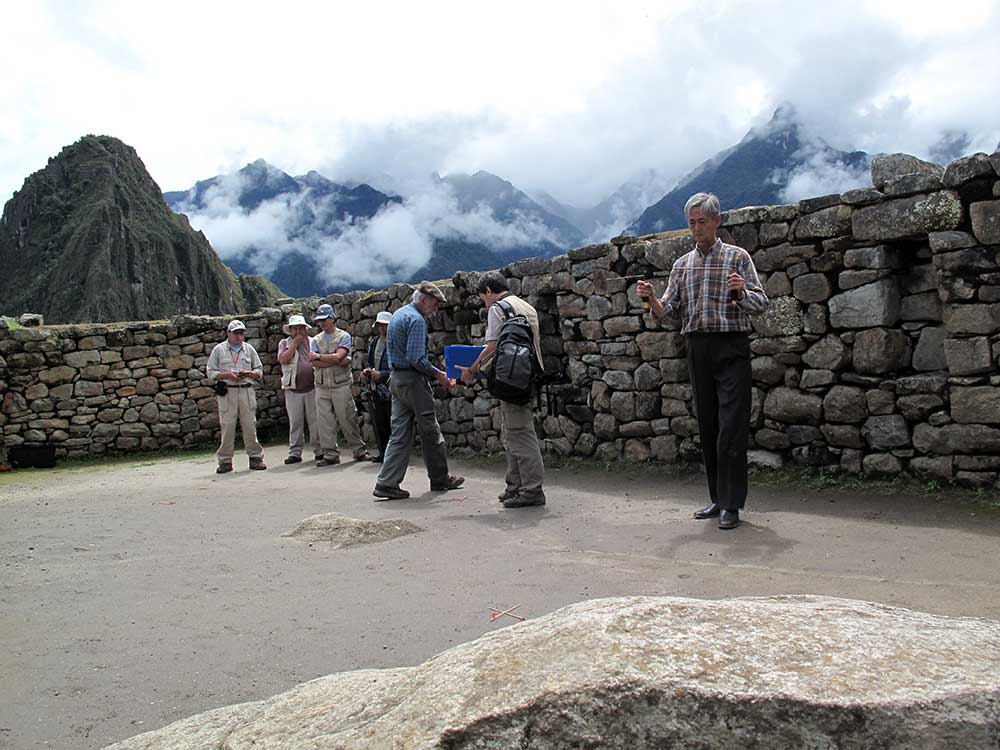
Conducted from April 9 to 17, 2012, these resonances confirmed the presence of several cavities beneath the building in question.
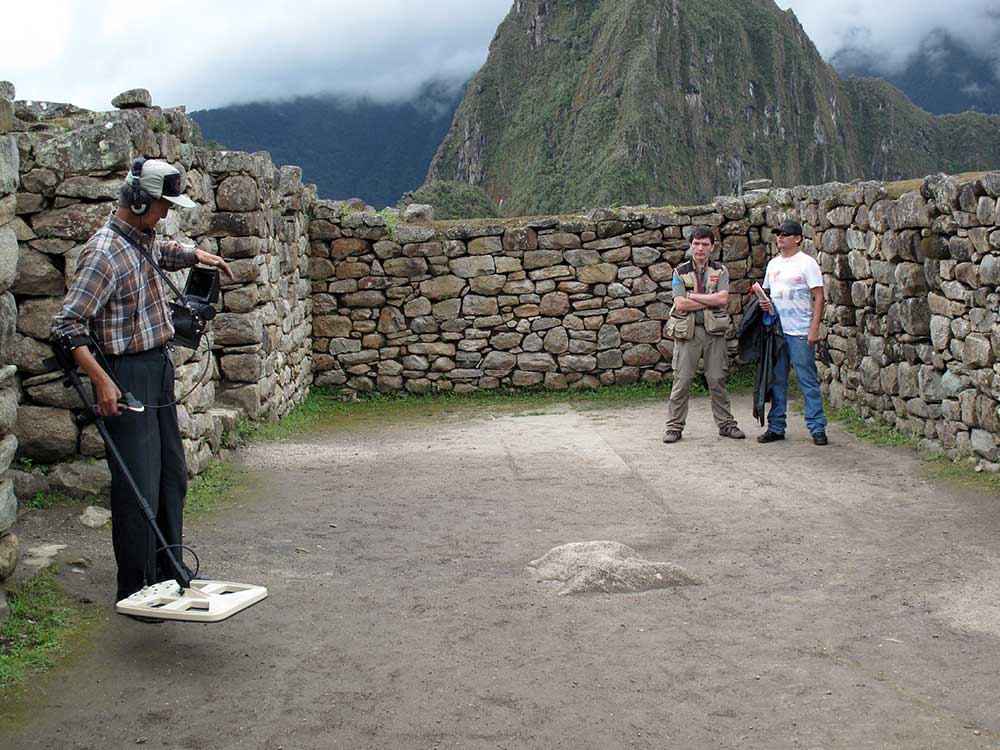
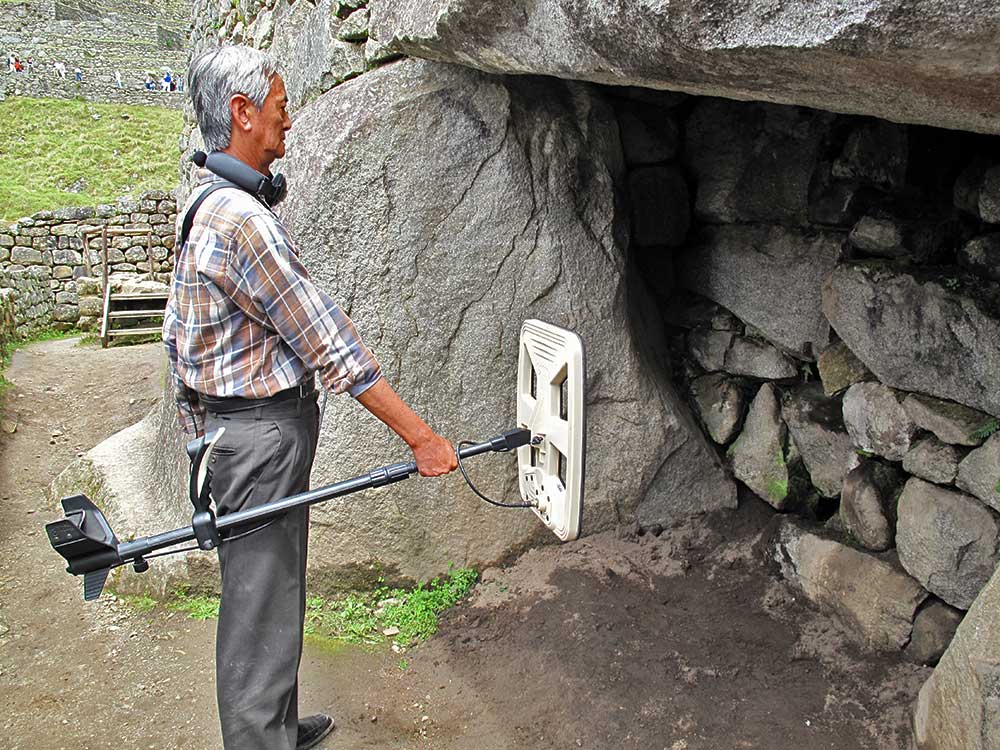
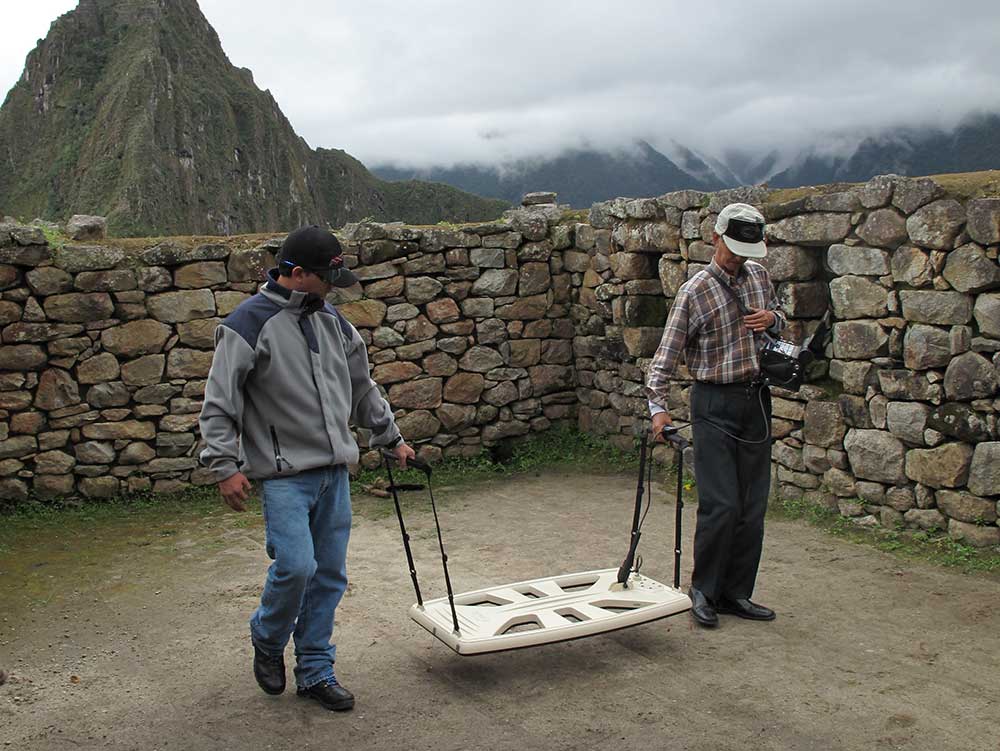
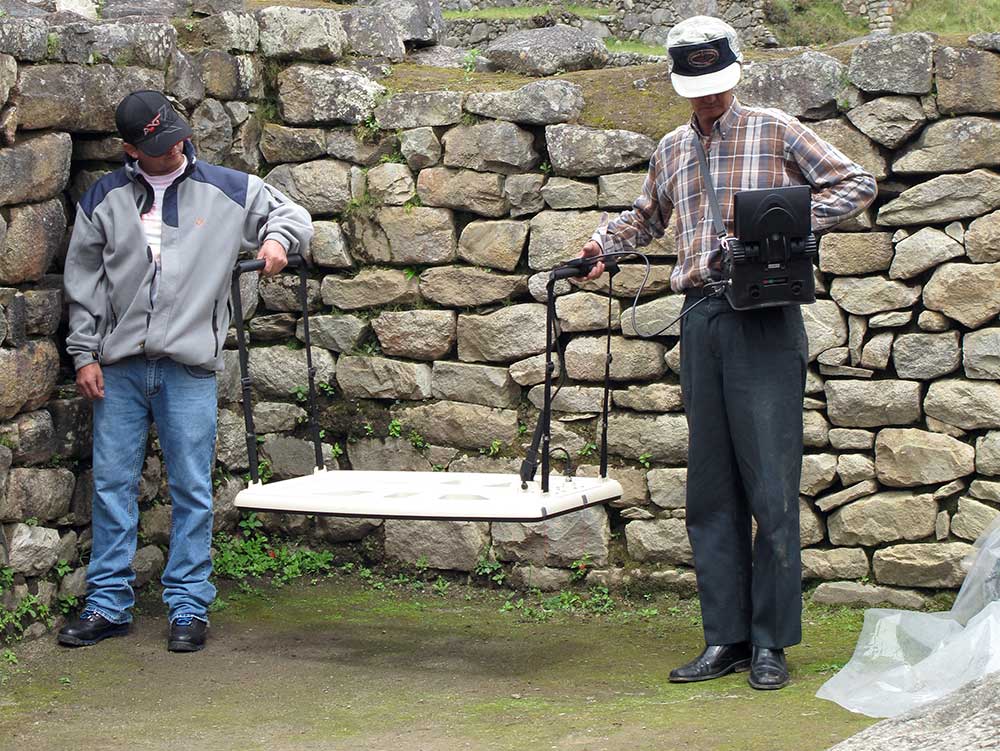
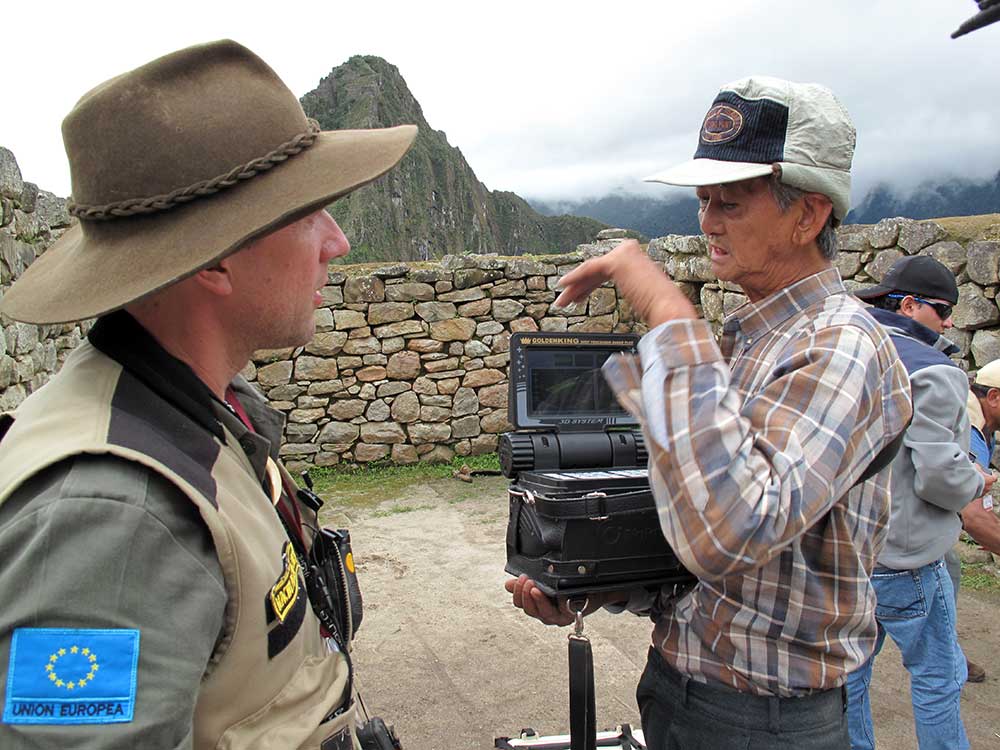
The research team first revealed the presence of a staircase behind the famous door, using Golden King DPRP ground-penetrating radar.
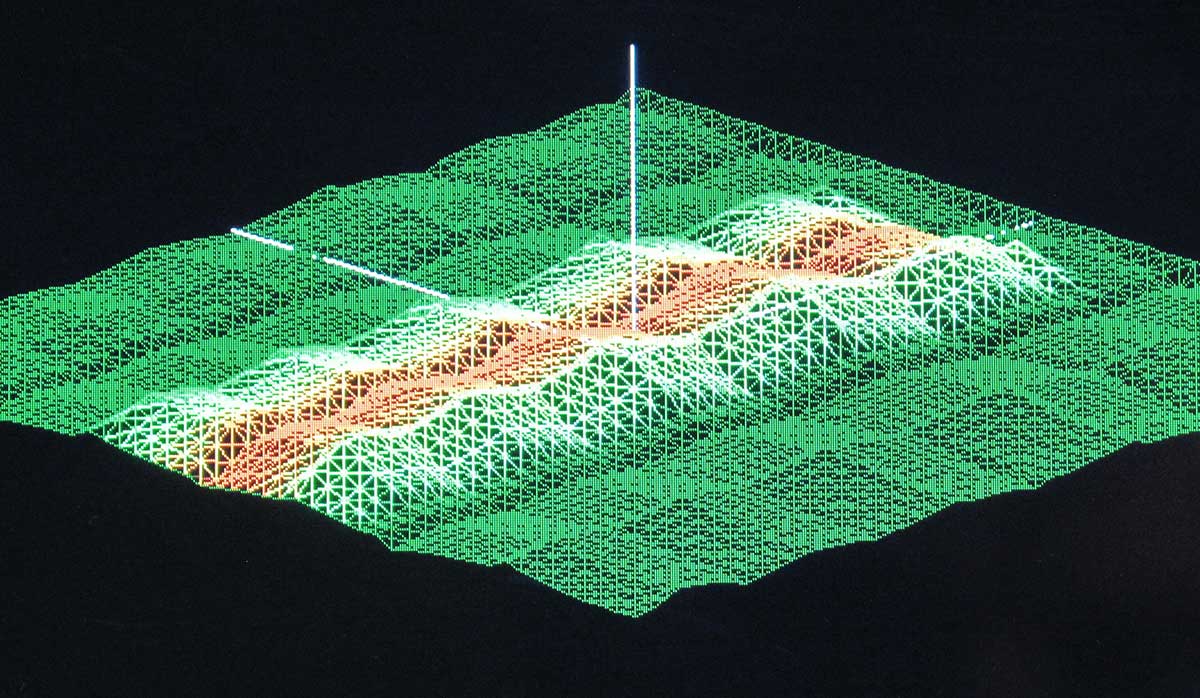
3D representation of stairs leading to a main hall.
A few days later, new resonances were detected using a Rover CII New Edition and a CaveFinder, whose technical specifications are specifically designed for detecting underground cavities.
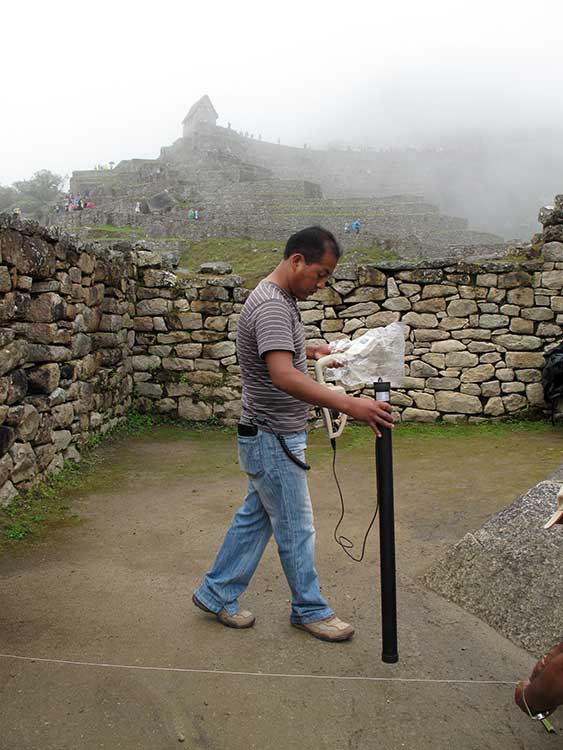
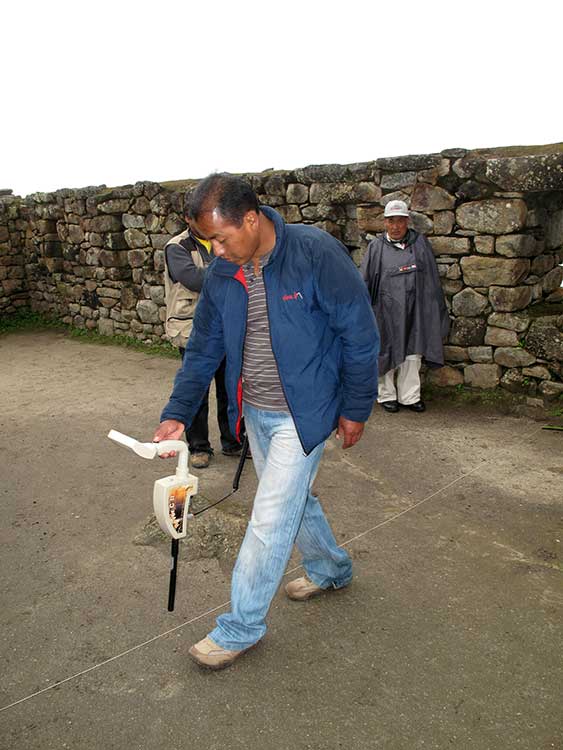
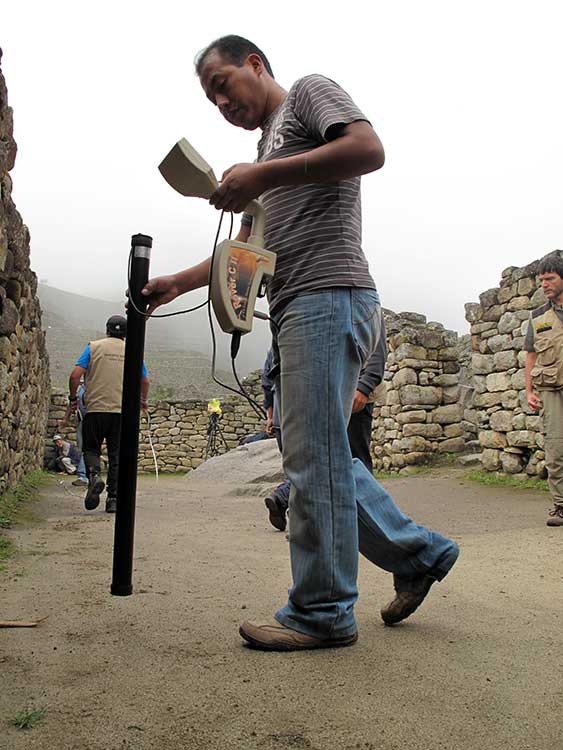
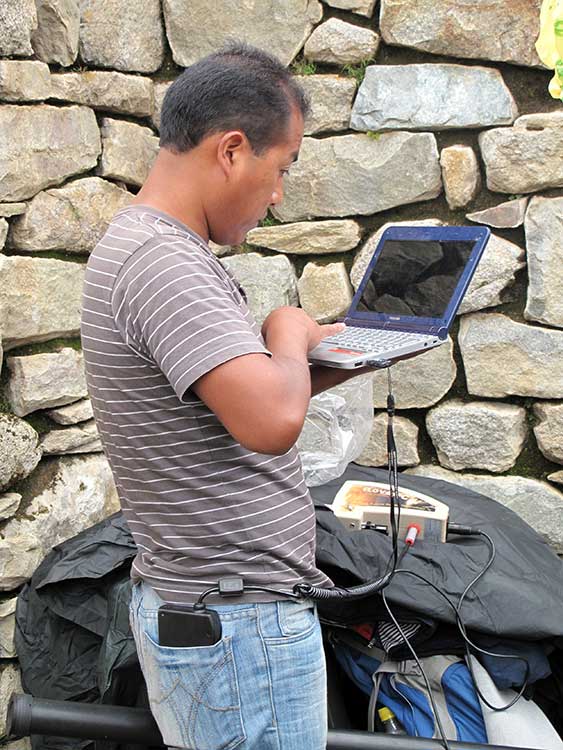
These resonances confirm the presence of a staircase, but also numerous cavities, including a large quadrangular room, approximately three meters square, oriented north-south east-west. Ground-penetrating radar also detects the presence of large quantities of metal. The localized deposits are generally associated with the cavities identified.
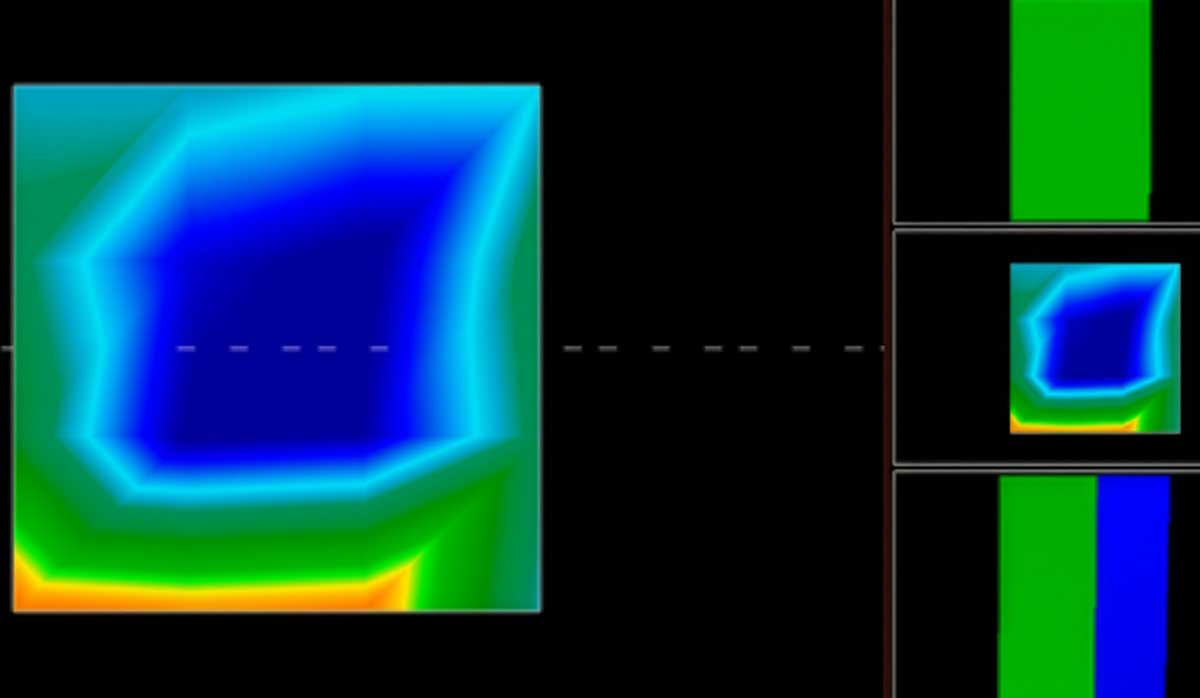
The main chamber, possibly a crypt, discovered on April 17, 2012, using electromagnetic resonance.
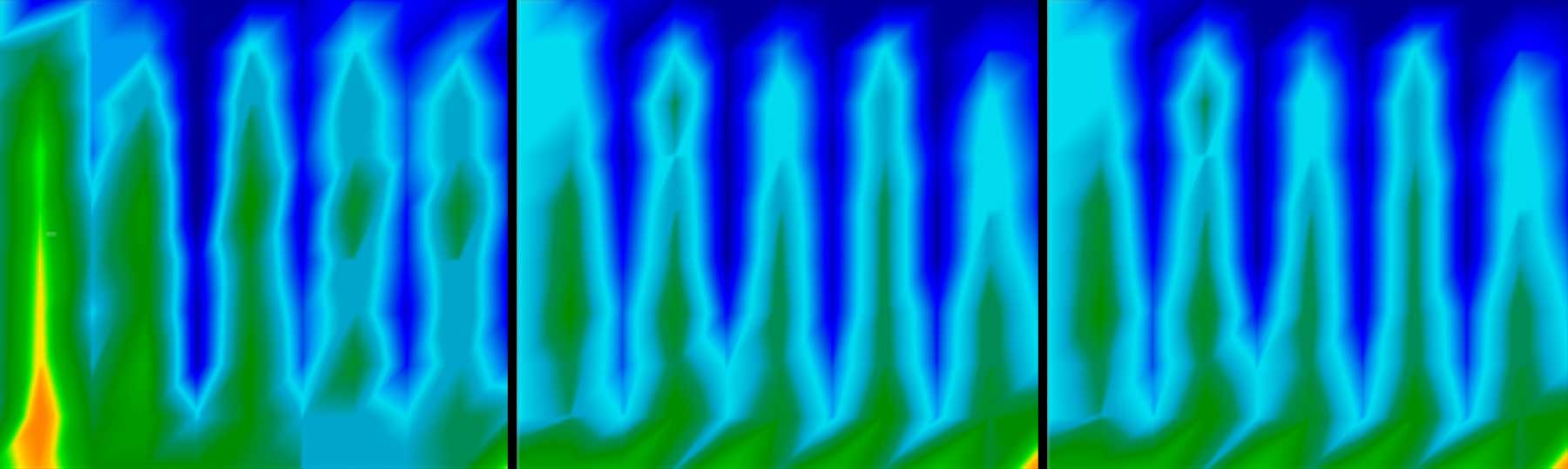
The three images are scans taken by Rover C New Edition on April 17, 2012. The green color represents the bedrock. In blue, the resonances show the presence of numerous cavities beneath the Temple of the Three Doors. Their proportions, on a human scale, suggest the presence of tombs.
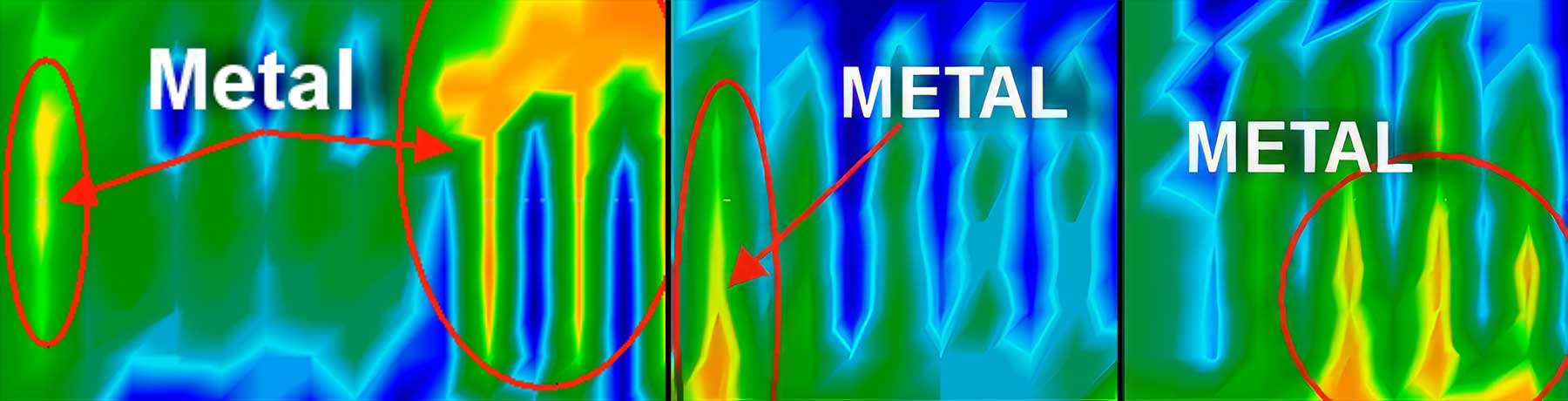
These three new images were also taken on April 17, 2012, by the Rover C New Edition. The yellow color indicates the presence of metal deposits (gold and/or silver). As we can see in these photos, these deposits are associated with cavities. The whole appears to correspond to a classic funerary pattern, suggesting the existence of burials accompanied by offerings.
The use of a Molecular Frequency Discrimination Device will also reveal the presence of gold and silver objects.
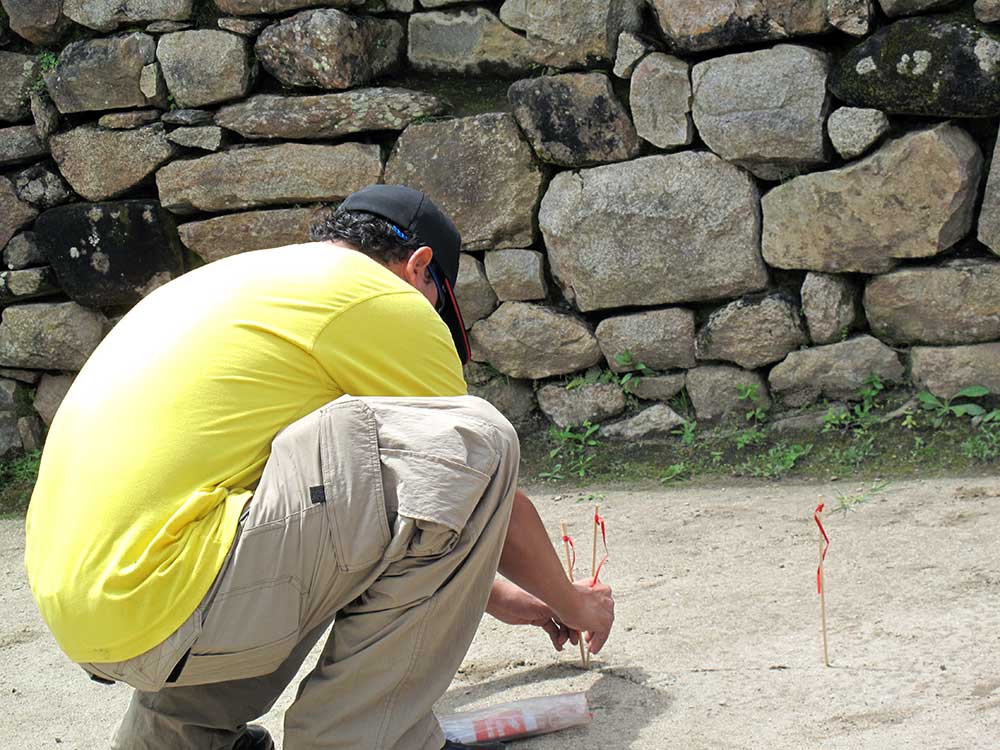
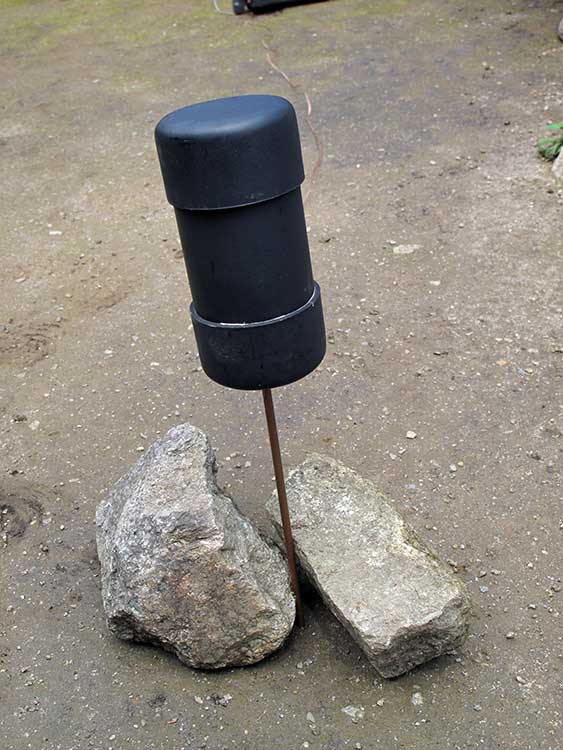
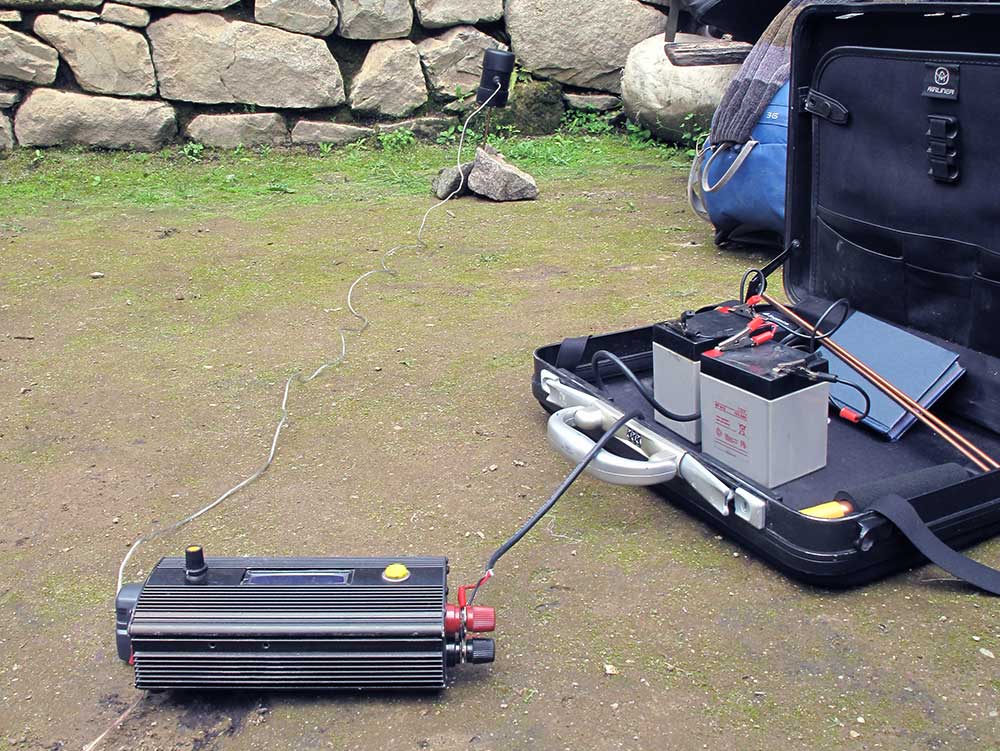
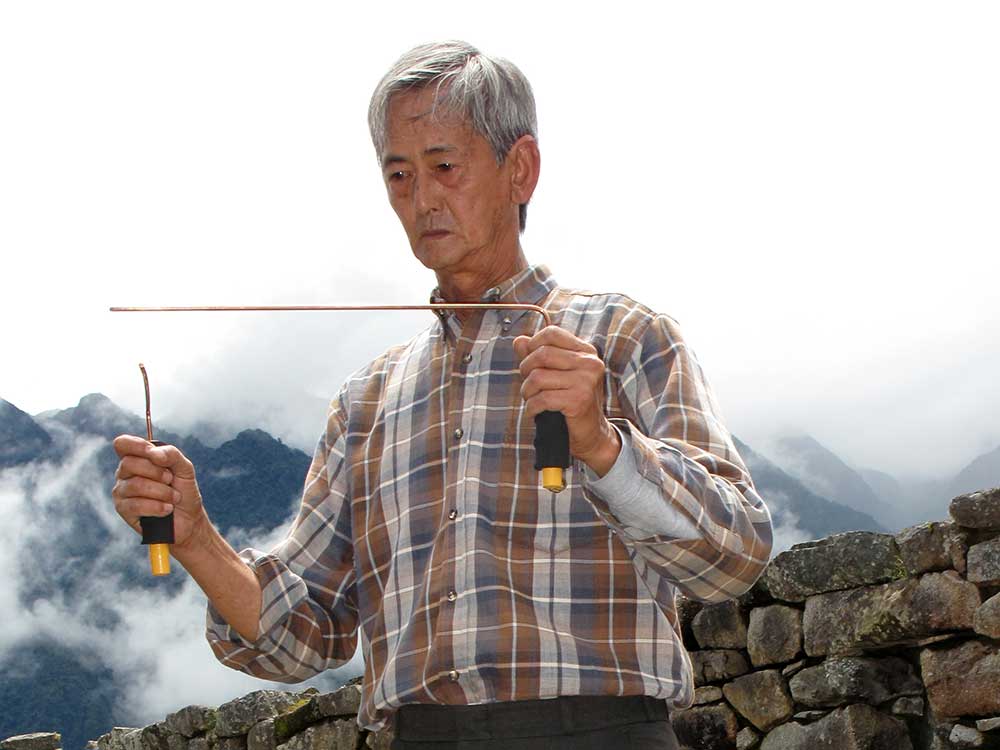
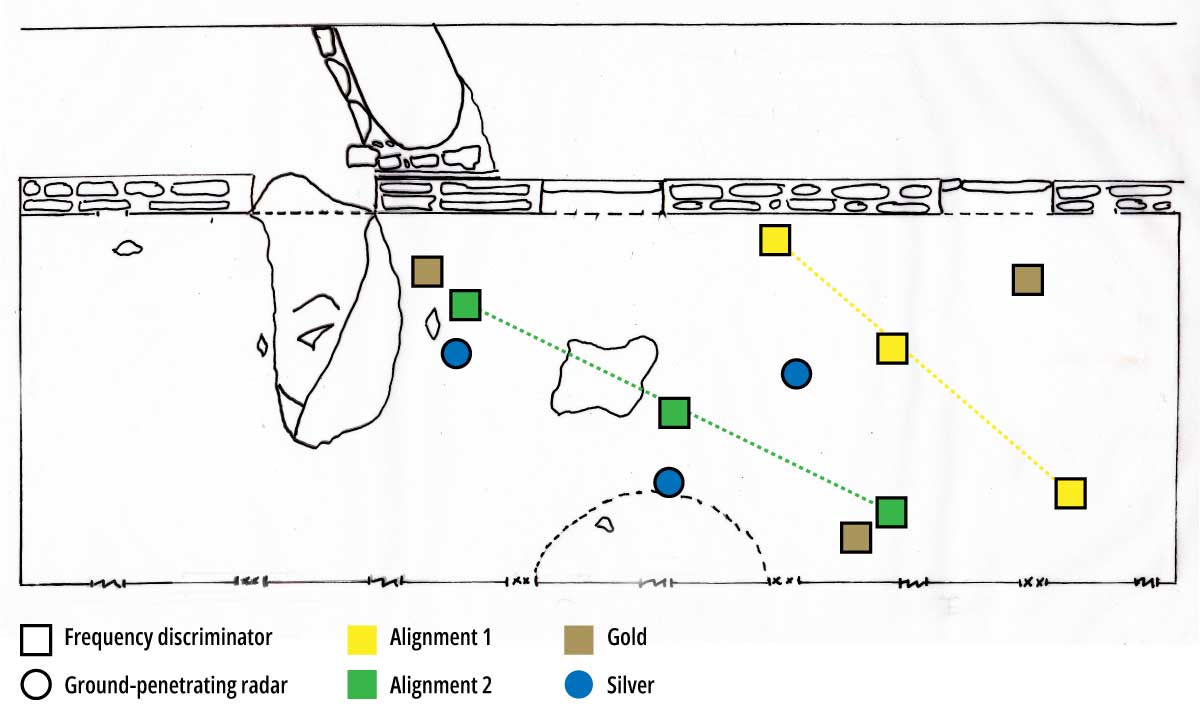
Distribution of gold (Au) and silver (Ag) objects.
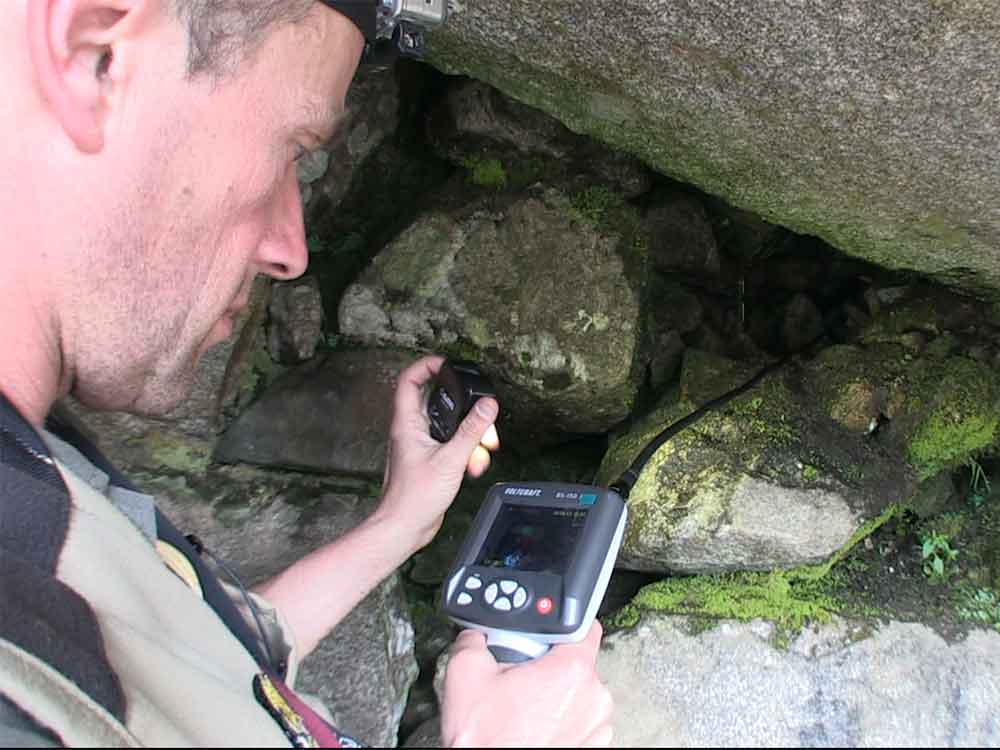
Finally, the use of an endoscopic camera, inserted into the embankments blocking the entrance, confirmed the hypothesis that the blocks of stone and rubble placed at the entrance to the building served only to block the passageway and not to support the internal structures of the building.
Everything indicates that this is a burial chamber.
It seems that Thierry Jamin and his team were right. The diagnoses made by technicians from the various companies that carried out the resonance surveys are unequivocal: the cavities discovered by the Inkarri Institute in Cusco appear to correspond to a classic pre-Hispanic burial pattern. Moreover, the entrance identified by David Crespy faces east, like most burial sites from that period.
In all likelihood, this is indeed a door, closed by the Incas to conceal something that was clearly very important. This may be where Machu Picchu's main archaeological treasure is hidden. Thierry Jamin's hypothesis suggests that it could be a burial chamber, a mausoleum, the one that Emperor Pachacútec had built in the 15th century to house his remains and those of his lineage.
A final report was submitted to the authorities on May 10, 2012. It was approved by those same authorities on September 5 of the same year.
Please note that the discoveries made by Inkarri have been validated by the Ministry of Culture. This is very important for the future...
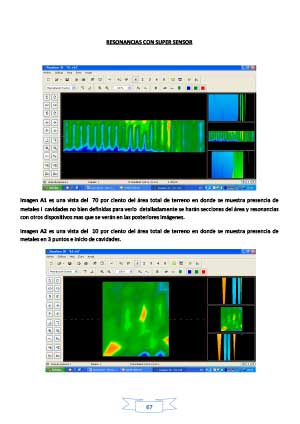
Ground-penetrating radar diagnostics 1
May 10, 2012
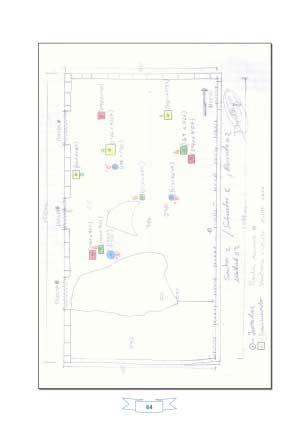
Ground-penetrating radar diagnostics 2
May 10, 2012
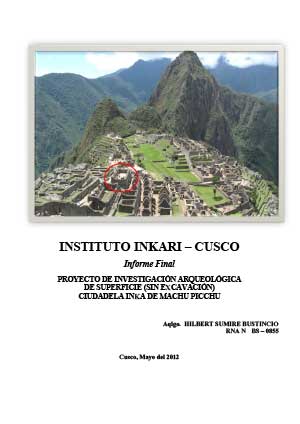
Final report
May 10, 2012
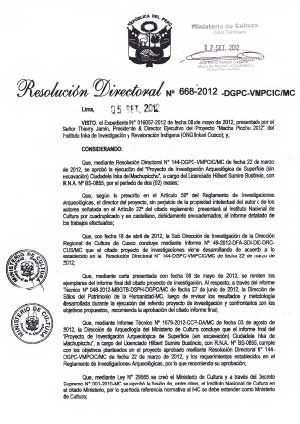
Approval of the report
September 22, 2012